
Get Grease Trap Pumping in Gwinnett County, GA
Grease trap pumping services for property owners in Gwinnett County, GA, address issues like blockages and overflows, supporting maintenance for restaurants, cafes, and food service facilities.
Grease trap pumping services are essential for maintaining the proper functioning of commercial kitchens, restaurants, and food service establishments in Gwinnett County, GA. Regular pumping helps prevent the buildup of fats, oils, and grease that can cause blockages, backups, and unpleasant odors. Property owners consider this work to ensure their facilities remain operational, providing a safe and comfortable environment for staff and customers. Proper maintenance also helps extend the lifespan of plumbing systems, reducing the likelihood of costly repairs and minimizing disruptions to daily operations.
Choosing professional grease trap pumping offers several benefits, including improved safety and enhanced curb appeal. Well-maintained systems operate more efficiently, reducing the risk of foul odors and plumbing failures that can impact a property’s appearance and reputation. Additionally, regular service can lead to decreased maintenance needs over time, saving money and effort. Property owners in Gwinnett County can rely on experienced service providers to keep their grease traps in optimal condition, supporting the durability and functionality of their plumbing infrastructure.
- Grease Trap Pumping - Needed when restaurant kitchens or commercial food service establishments in Gwinnett County, GA, require regular removal of accumulated fats and oils.
- Grease Trap Maintenance - Essential for food service facilities that want to prevent blockages and ensure compliance with local health regulations.
- Commercial Grease Trap Cleaning - Required for businesses in nearby urban areas to maintain proper functioning of their grease interceptors.
- Restaurant Waste Management - Necessary for eateries that need professional services to handle grease and waste buildup efficiently.
- Fats, Oils, and Grease Removal - Important for commercial kitchens in the region aiming to avoid plumbing issues caused by grease buildup.
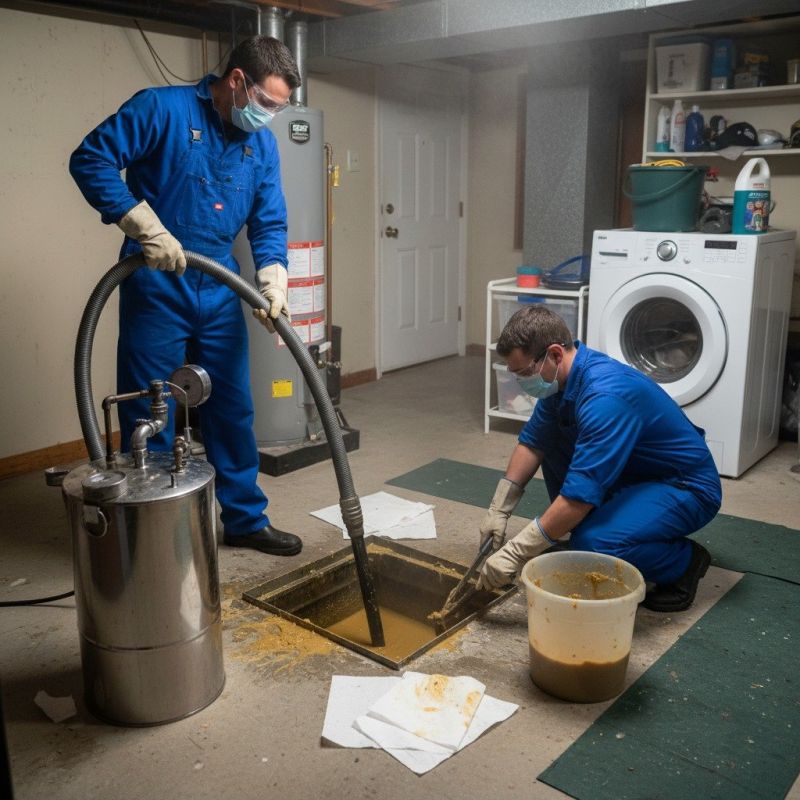
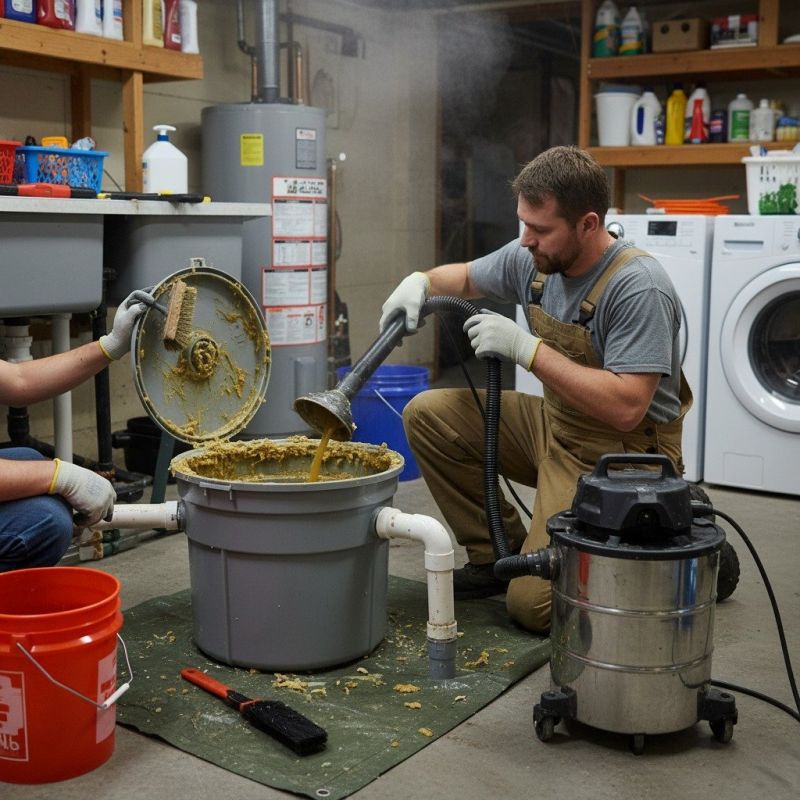
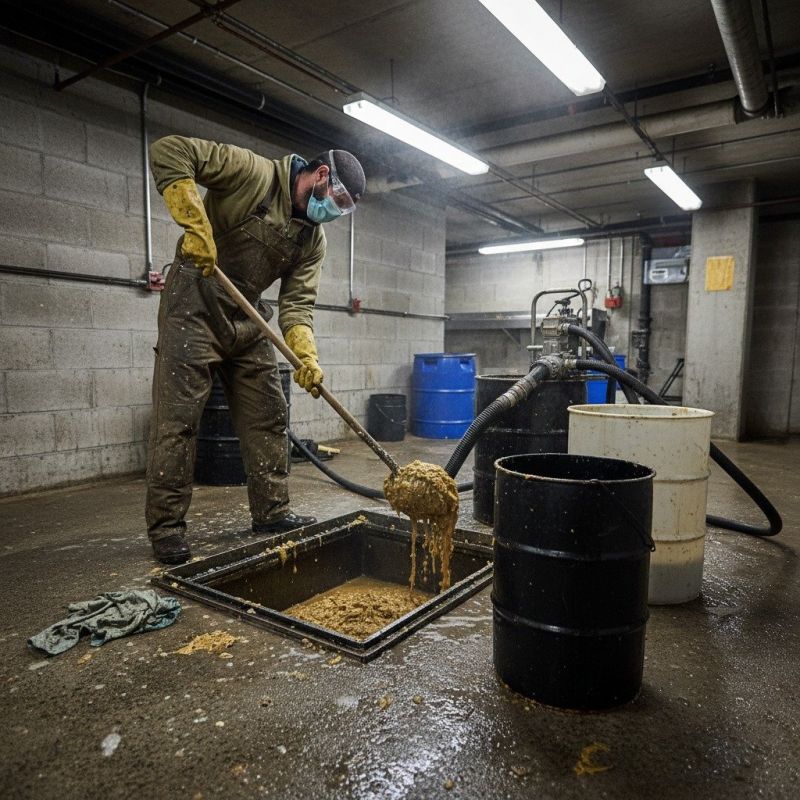
Grease trap pumping services involve the removal of accumulated fats, oils, and grease (FOG) from grease traps, which are essential components in commercial and industrial kitchens. These services typically include scheduled pumping to prevent buildup that can hinder the trap’s function, as well as emergency cleanings if blockages or overflows occur. Professional technicians use specialized equipment to extract the contents safely and efficiently, ensuring the grease trap remains in proper working order. Regular pumping helps maintain compliance with local health and safety regulations while also promoting smooth operation of the plumbing system.
One of the primary issues that grease trap pumping addresses is the risk of clogs and overflows caused by excessive FOG buildup. When grease accumulates beyond the trap’s capacity, it can lead to foul odors, slow drainage, and even sewage backups. These problems not only disrupt daily operations but can also result in costly repairs and potential violations of health codes. Routine pumping services help mitigate these risks by removing grease before it causes significant issues, ensuring that commercial kitchens, restaurants, and food processing facilities operate efficiently and hygienically.
Various types of properties benefit from grease trap pumping services, particularly those with high-volume food preparation activities. Restaurants, cafeterias, catering facilities, and institutional kitchens are among the most common users, as they generate large quantities of FOG that must be properly managed. Commercial bakeries, grocery store delis, and catering companies also rely on these services to keep their drainage systems clear. Additionally, some industrial facilities with food-related processes or waste management needs may require regular grease trap maintenance to prevent operational disruptions and maintain compliance.
Contacting local service providers for grease trap pumping ensures that properties maintain proper sanitation and prevent plumbing issues related to FOG buildup. These professionals are equipped to handle different sizes and types of grease traps, providing tailored maintenance plans based on the specific needs of each property. Regular pumping not only helps avoid unpleasant odors and potential health hazards but also supports the smooth functioning of the plumbing system, contributing to the overall efficiency of food service operations in Gwinnett County, GA, and surrounding areas.
The overview below groups typical Grease Trap Pumping projects into broad ranges so you can see how smaller, mid-sized, and larger jobs often compare in Gwinnett County, GA.
In many markets, a large share of routine jobs stays in the lower and middle ranges, while only a smaller percentage of projects moves into the highest bands when the work is more complex or site conditions are harder than average.
Cost Range - Grease trap pumping services typically cost between $200 and $500 per service, depending on the size of the trap and location. Larger or commercial traps may cost more, sometimes exceeding $700. Costs can vary based on accessibility and service frequency.
Service Frequency - Many providers recommend pumping grease traps every 3 to 6 months, with costs reflecting the number of visits needed annually. The more frequent the service, the higher the overall cost, but it helps prevent blockages and backups.
Additional Fees - Extra charges may apply for emergency services, difficult access, or extensive cleaning beyond standard pumping. Some providers include these fees in the initial estimate, while others bill separately.
Regional Variations - Costs for grease trap pumping services can vary by region, with prices in Gwinnett County, GA, generally aligning with nearby areas. Local service providers may offer different pricing based on local demand and regulations.
Actual totals will depend on details like access to the work area, the scope of the project, and the materials selected, so use these as general starting points rather than exact figures.
Grease Trap Pumping services involve removing accumulated fats, oils, and solids from grease traps to ensure proper functioning. Local service providers offer regular pumping to prevent clogs and overflows in commercial kitchens and food service facilities.
Commercial Kitchen Maintenance includes grease trap pumping as a key component to maintain hygiene standards and comply with health regulations. Pros in the area can customize maintenance schedules based on specific business needs.
Waste Management Services encompass grease trap pumping as part of comprehensive waste removal solutions for restaurants and food processing plants. Local providers facilitate proper disposal of collected materials.
Septic System Services sometimes include grease trap pumping when systems are integrated or located near food service operations. Professionals can assess and address related pumping requirements.
Plumbing and Drain Cleaning services often coordinate with grease trap pumping to clear blockages caused by grease buildup. Local plumbers can identify when pumping is necessary to prevent plumbing issues.
Facility Maintenance Services may incorporate grease trap pumping to support overall sanitation and operational efficiency in commercial properties. Contractors can establish routine pumping schedules to suit facility demands.
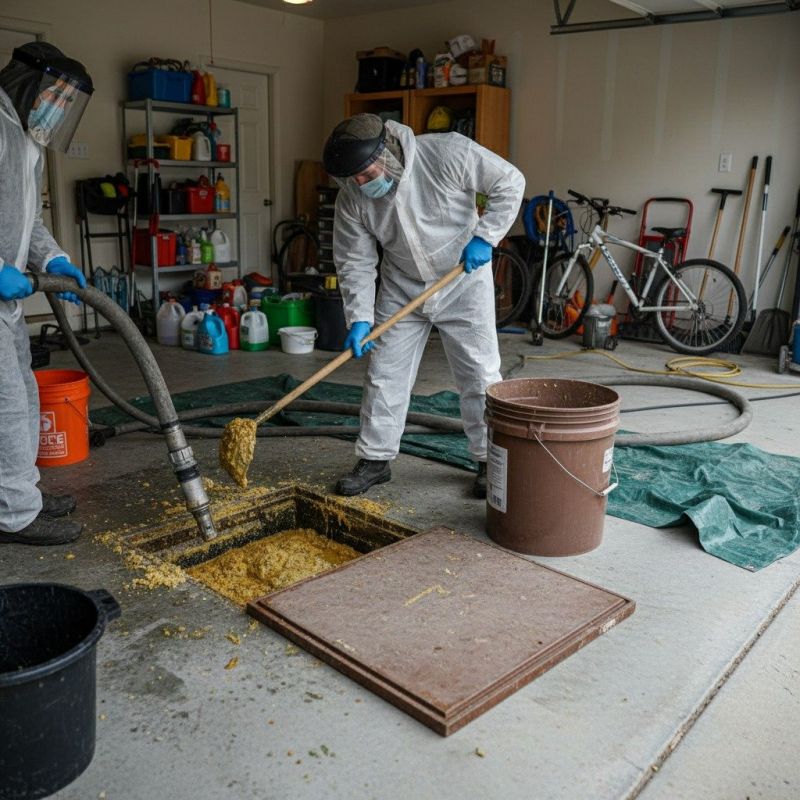
When selecting a professional for Grease Trap Pumping services, it’s important to consider their experience in handling commercial and residential systems. Reputable providers often have a history of working with various types of grease traps, demonstrating familiarity with different setups and requirements. Homeowners can inquire about a provider’s background to ensure they have the necessary expertise to perform thorough and effective pumping, reducing the risk of future issues.
Clear, written expectations are essential when working with a service provider. Pros should be able to outline what the service includes, such as the scope of pumping, cleanup procedures, and any follow-up recommendations. Having these details in writing helps establish mutual understanding and provides a reference point for the work to be performed, ensuring that both parties are aligned on the service process.
Reputable local pros often have established references from previous clients and maintain open communication channels. These references can provide insights into the provider’s reliability, professionalism, and quality of work. Good communication is also key; a professional should be responsive and able to answer questions about scheduling, procedures, and any concerns that arise, making the process smooth and transparent for homeowners seeking grease trap pumping services.
Property owners in Gwinnett County, GA use Grease Trap Pumping services for practical projects around their homes and businesses. The sections below highlight everyday jobs and straightforward project options.
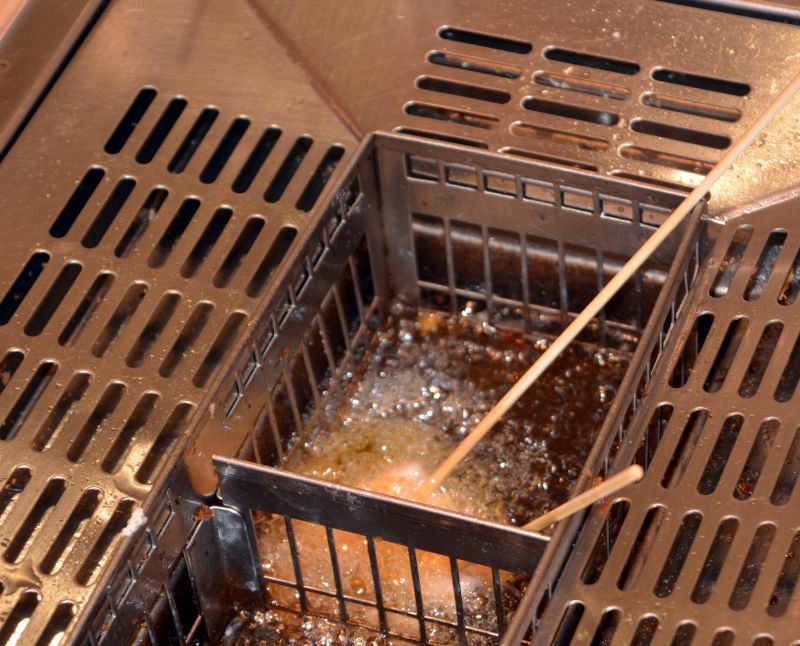
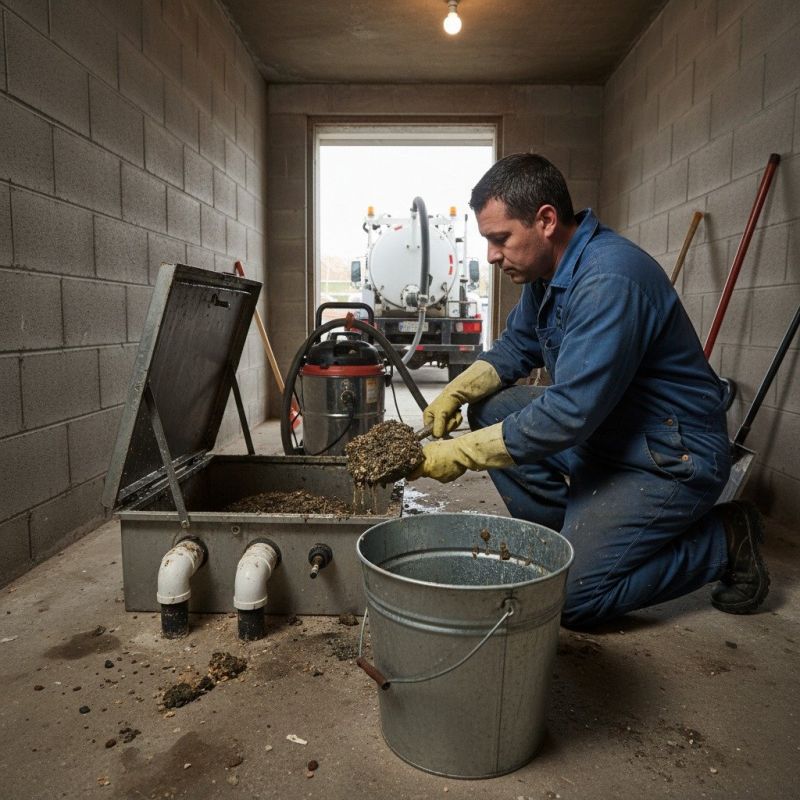
Grease trap pumping services are often needed for commercial kitchens, restaurants, and food service establishments in Gwinnett County, GA, to ensure proper operation of their grease interceptors. Property owners may seek professional pumping to prevent backups, foul odors, and potential plumbing issues that can disrupt daily operations. Regular maintenance helps keep the drainage system functioning smoothly and reduces the risk of costly repairs caused by accumulated grease and debris.
In addition to commercial properties, some property owners with large-scale food preparation areas or industrial kitchens may require scheduled grease trap pumping. This service is essential for maintaining compliance with local health and sanitation standards, as well as avoiding potential fines or shutdowns. Local service providers can assist with timely and efficient pumping, supporting the ongoing cleanliness and efficiency of food service facilities in Gwinnett County.
What is grease trap pumping? Grease trap pumping involves removing accumulated fats, oils, and solids from a grease trap to ensure proper functioning and compliance.
How often should grease traps be pumped? The frequency of pumping depends on usage, but many facilities schedule service every few months to prevent blockages and odors.
What are the signs that a grease trap needs pumping? Signs include foul odors, slow drainage, or standing water around the trap, indicating it may be full or clogged.
Are there regulations for grease trap maintenance? Local regulations often require regular inspection and pumping to prevent plumbing issues and environmental concerns.
How can I find local grease trap pumping services? Contacting local plumbing or waste management service providers can connect you with professionals experienced in grease trap maintenance.
Grease Trap Pumping Services - Local service providers offer professional grease trap pumping to maintain proper kitchen and wastewater system function.
Scheduled Maintenance - Regular pumping services help prevent blockages and ensure compliance with local health and safety regulations.
Emergency Pumping Assistance - Pros are available for urgent grease trap pumping needs to minimize downtime and avoid costly backups.
Customized Service Plans - Service providers can develop tailored pumping schedules to meet the specific needs of commercial kitchens and food establishments.
Considering Grease Trap Pumping for a property in Gwinnett County, GA? The sections above highlight common project types, practical options, and details that often shape the scope of work.
When you are ready, use the quote form to share a few details about your project. Local pros can review the basics and respond with options that match what you have in mind.